


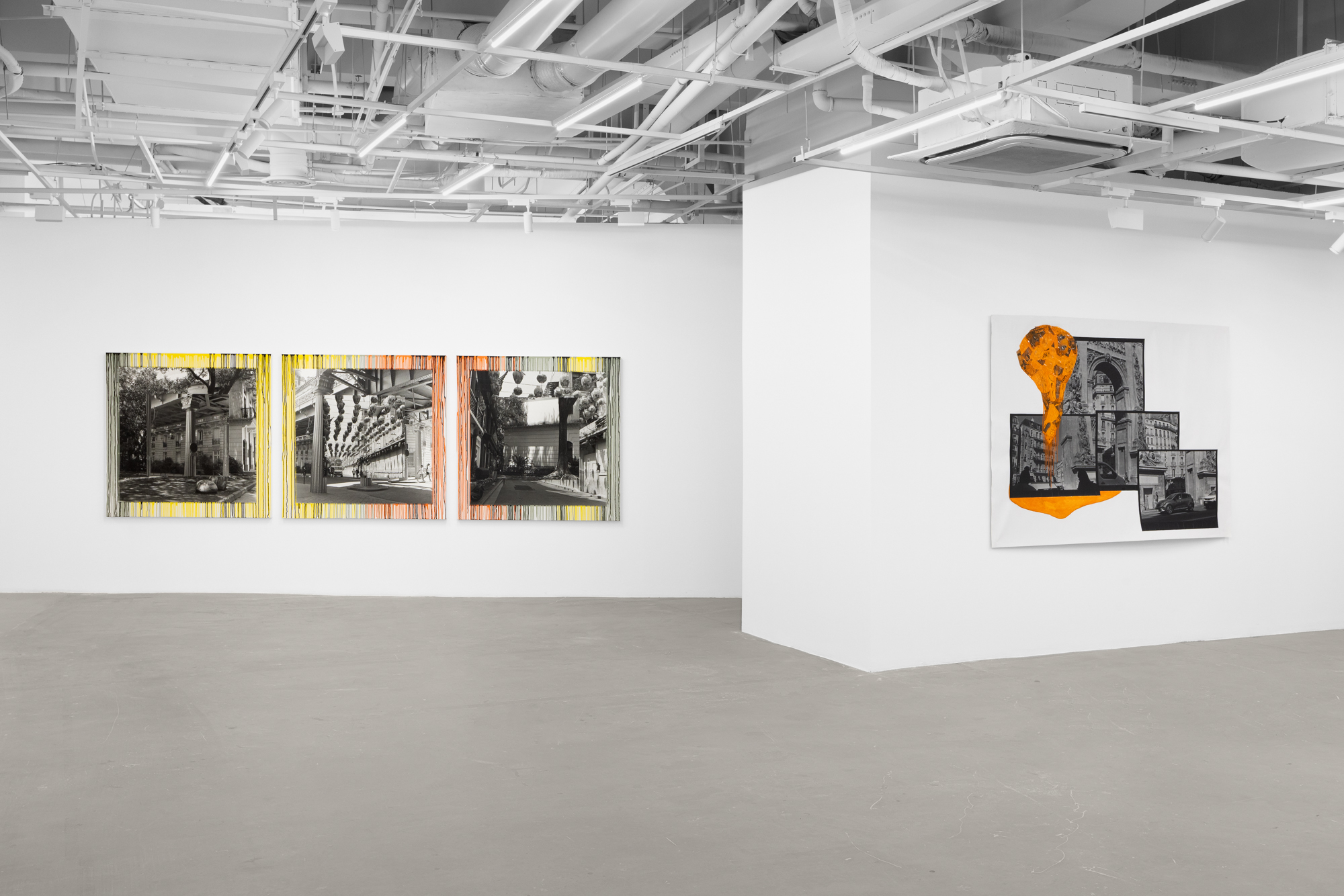
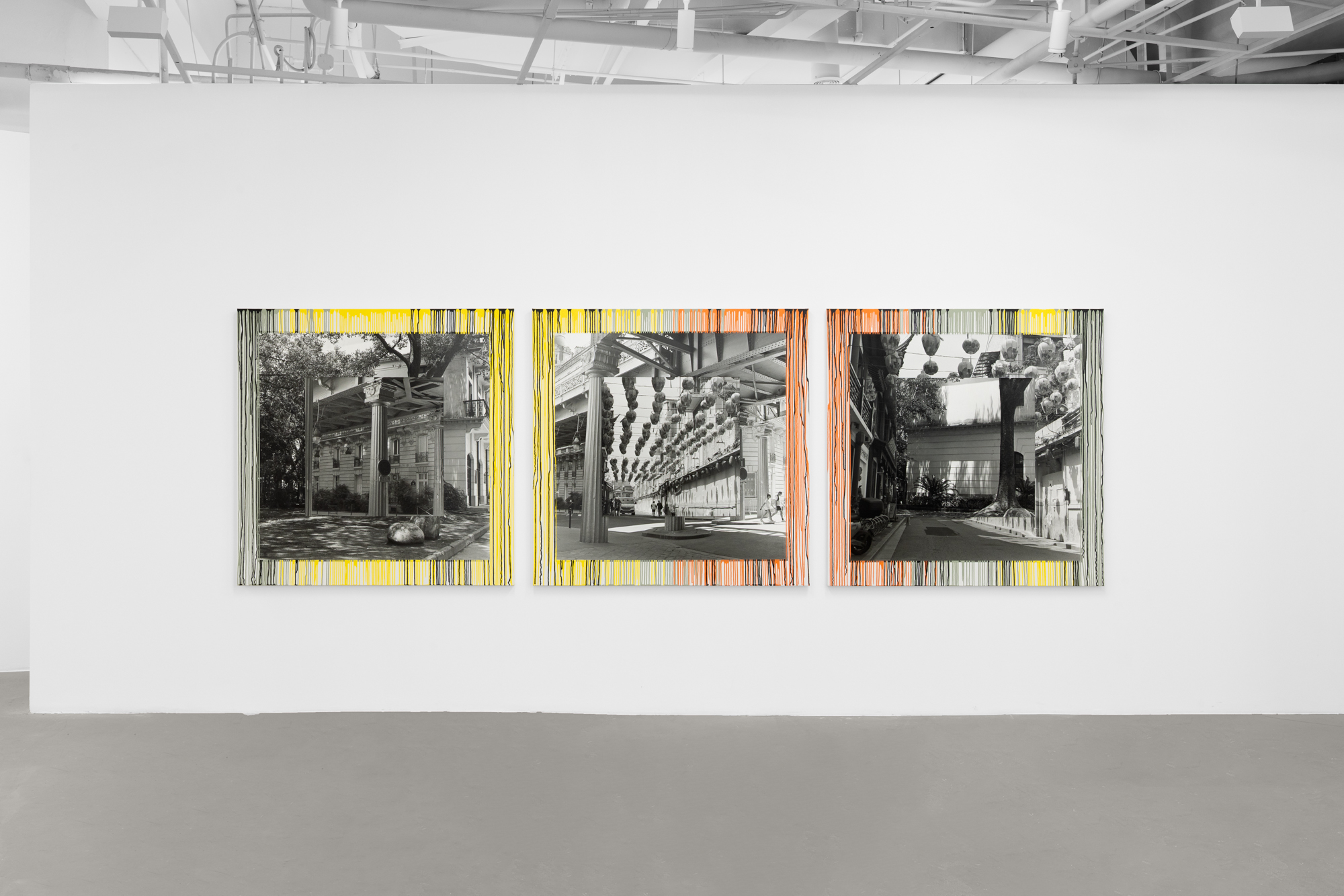
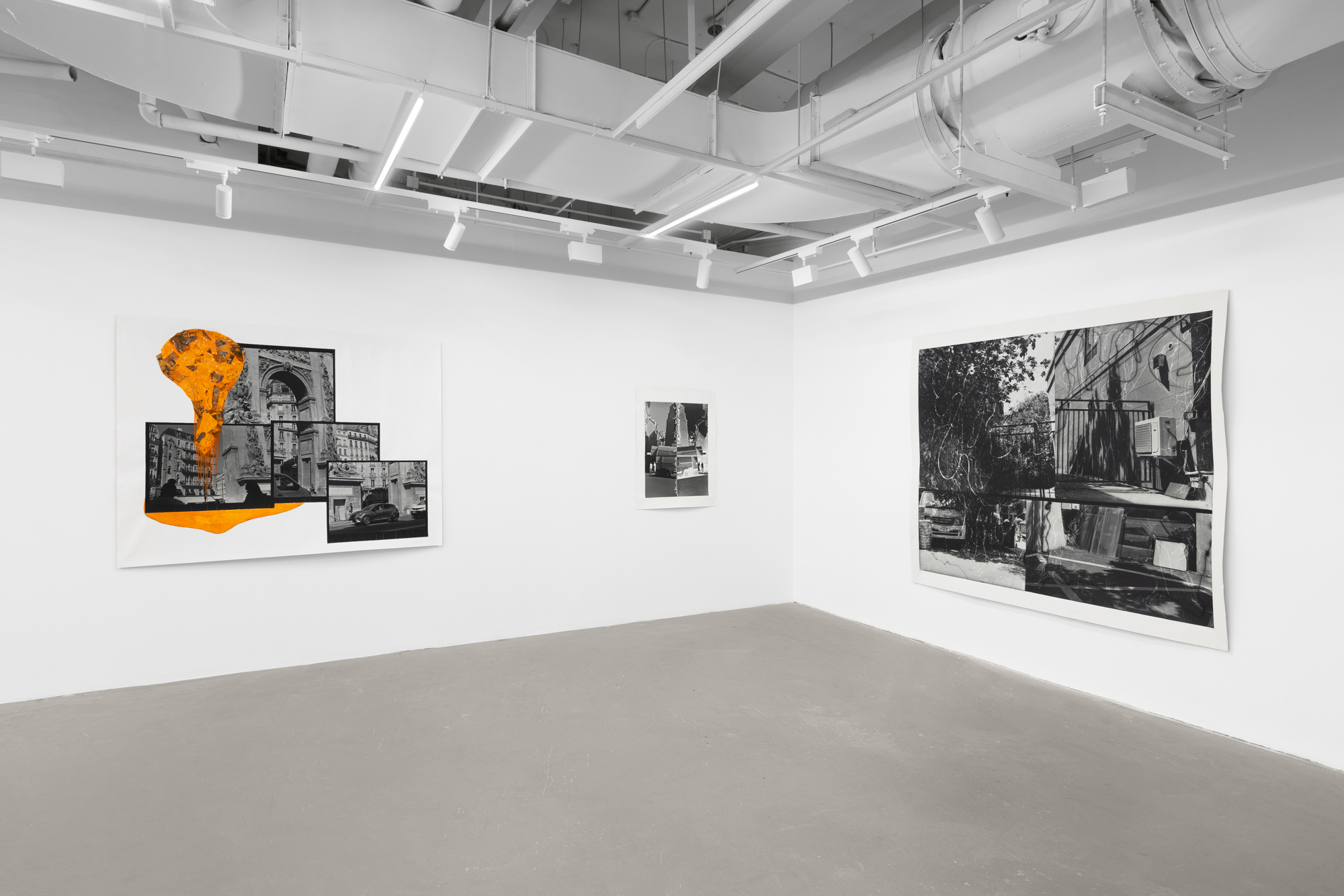
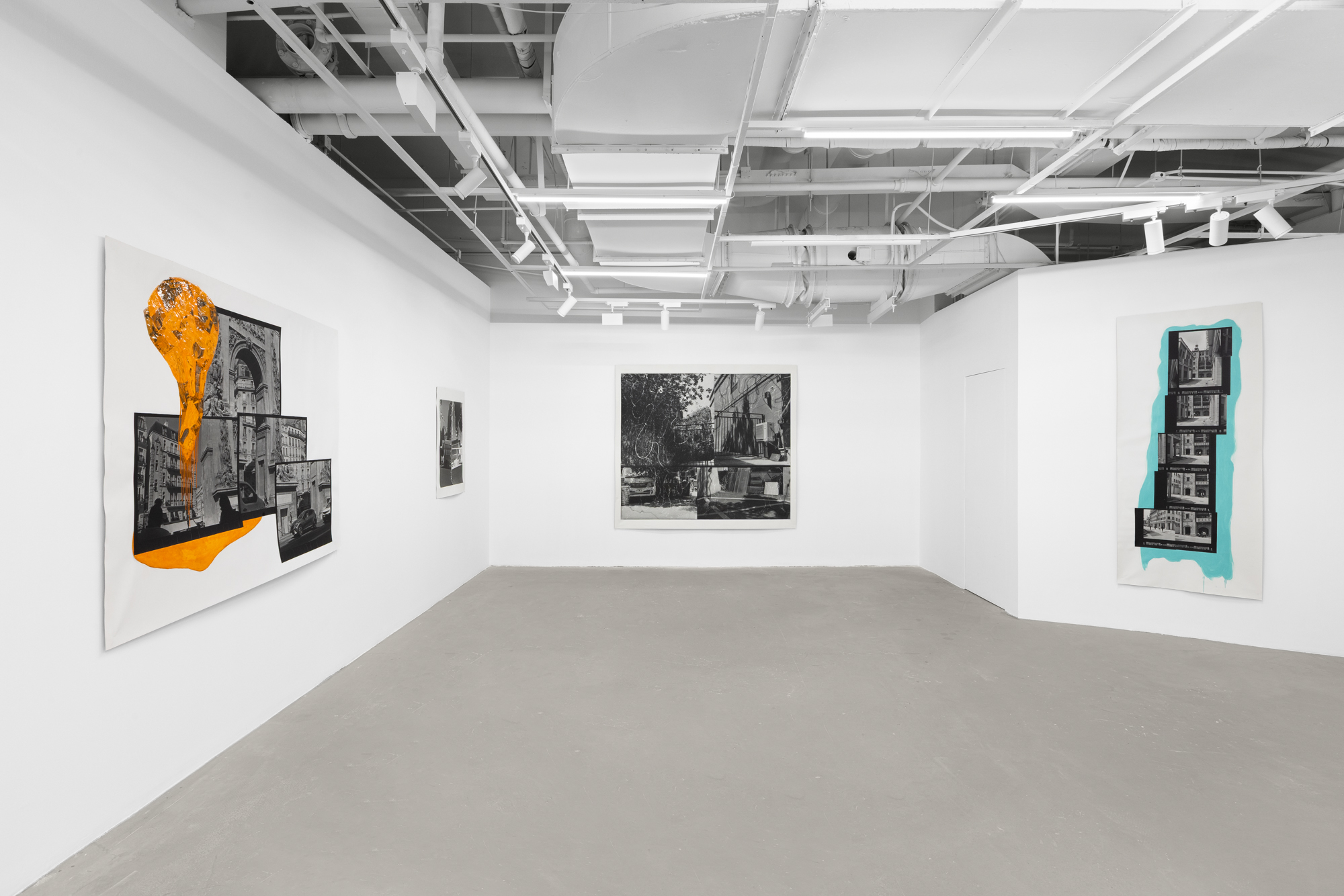
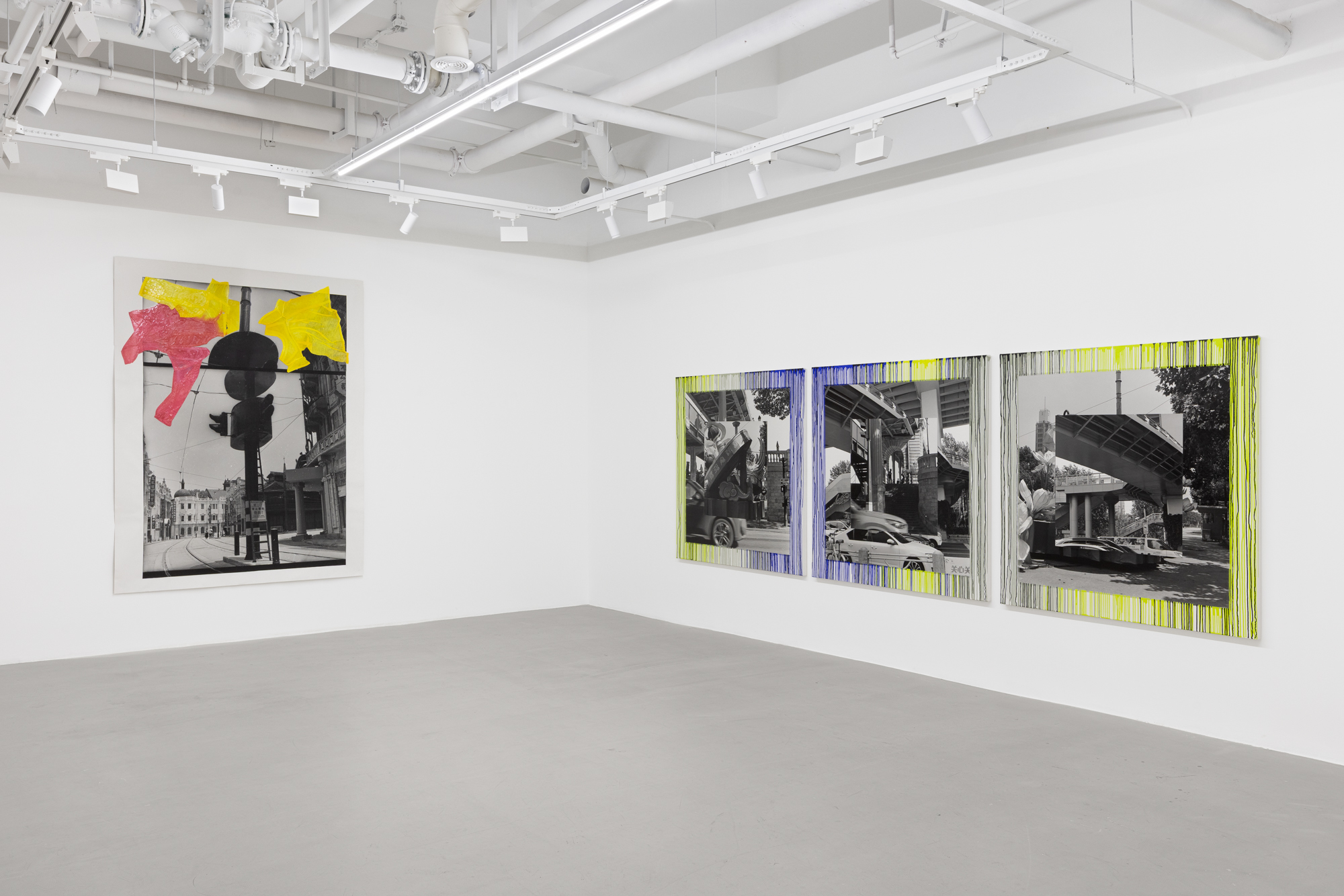
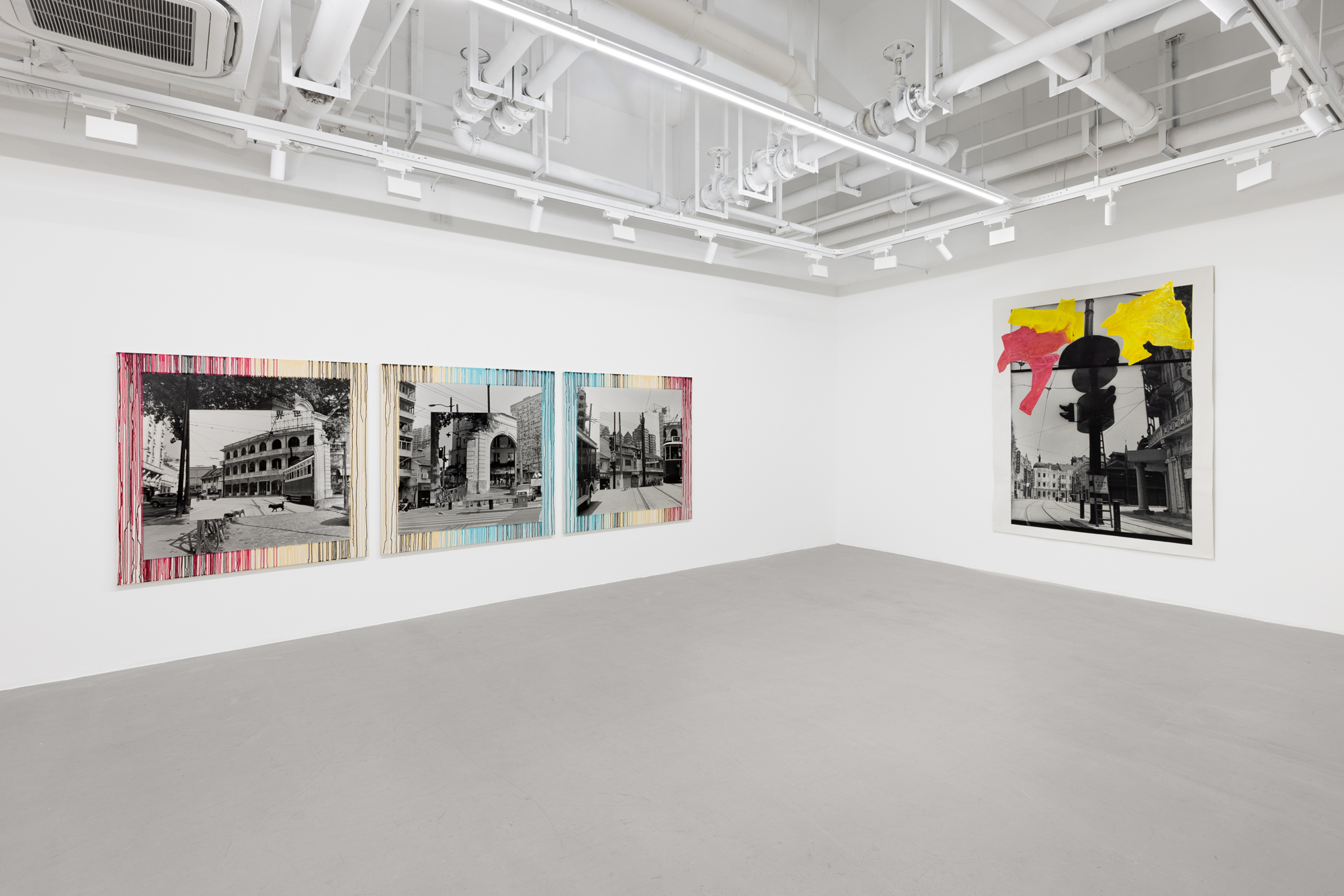
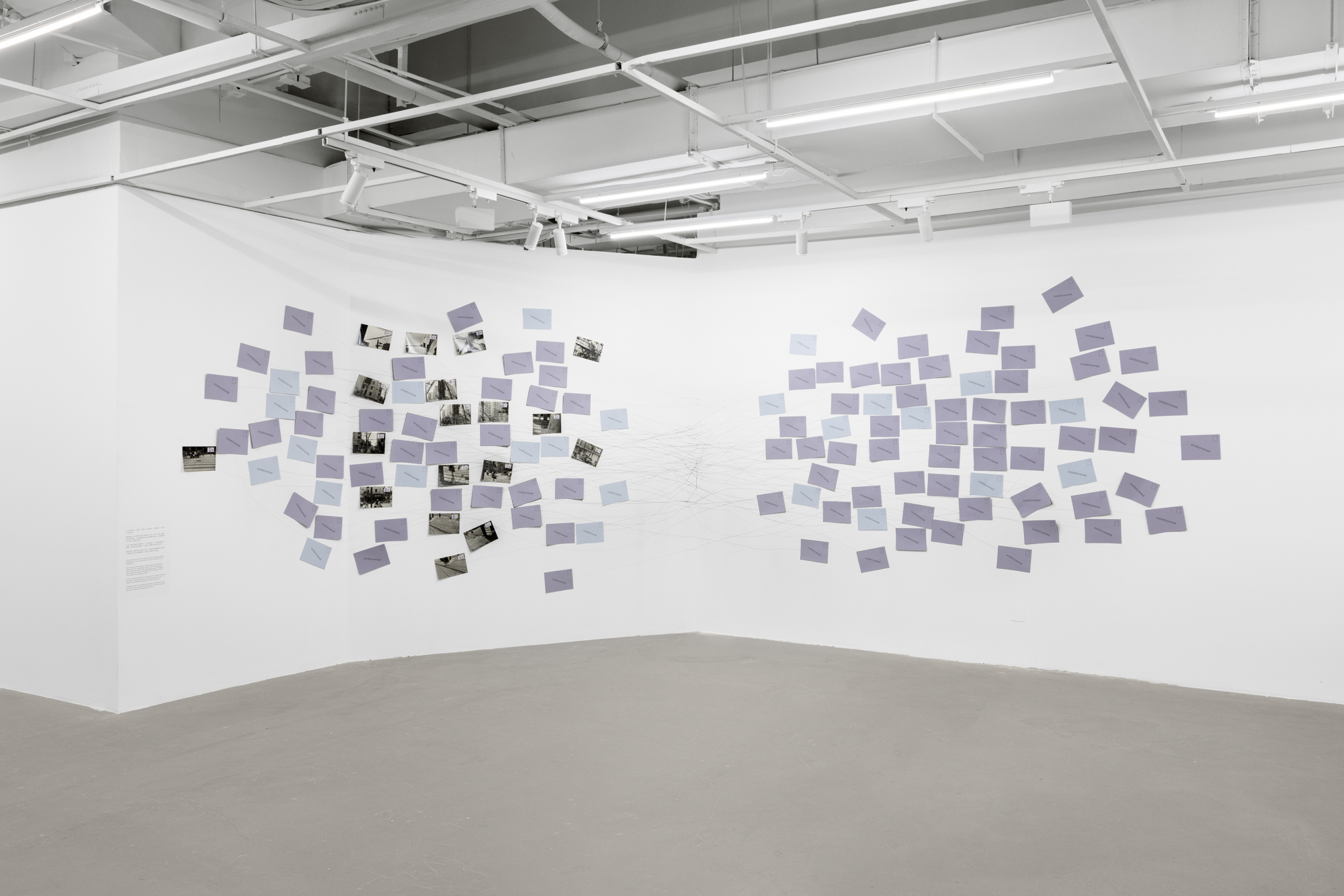
Vanguard Gallery is pleased to present “Scatter Points” by Yuki Onodera on 9th May, featuring a series of new works created in 2026. This exhibition takes as its point of departure silver gelatin photographs shot in the two cities of “Shanghai” and “Paris” in 2025. Shanghai is a city the artist has intermittently visited over the past twenty years, while Paris has been her base of life for more than three decades. Yet the body of work presented here does not seek to depict the history or culture inherent to each city. Instead, the two cities are presented as equivalent “scatter points,” their physical and cultural distances dissolving in the process of disassembling and reconstructing fragments of images.
Treating the darkroom as a laboratory, the artist intentionally agitates the normative techniques of silver gelatin photography to bestow new visages upon monochrome prints. Exposure, development, fixation, and at times deliberate chemical alteration—the surfaces born from these processes bear unknown textures etched into the very skin of the photograph, constituting an attempt to reach what might be called the “beyond of photography.” This act, which could at times be described as “anti-photographic” or even “anti-pictorial,” opens an ambivalent creative realm.
What at first glance appears as painting is in fact the result of photograms generated by the interplay of light, shadow, and chemical reactions in the darkroom. Furthermore, these silver prints are collaged onto canvas, occasionally layered with pages from old garments or vintage magazines like geological strata. Here, the image captured as a photograph acquires material thickness and tactility, transforming into an archaeological layer of memory.
The artist regards the city as a “vast text” or a “full-scale map,” noting the inherent contradiction of it being a “medium that is closed yet open in all directions.” To “capture” such a city through photography is inherently difficult; rather, the artist’s experimental approach acknowledges the city as an elusive fluid entity and, with a sense of play, constructs “uncanny sites,” thereby connecting to a “never-ending spatio-temporal narrative.”
This exhibition is neither a simple comparison of two cities nor an exercise in nostalgia. It is, rather, an extension of the photographic medium itself—capturing the moment when an image transmutes from a “place” into a “being,” and handing over to the viewer the agency to connect the scattered points. It functions as a participatory geography.
Installation View
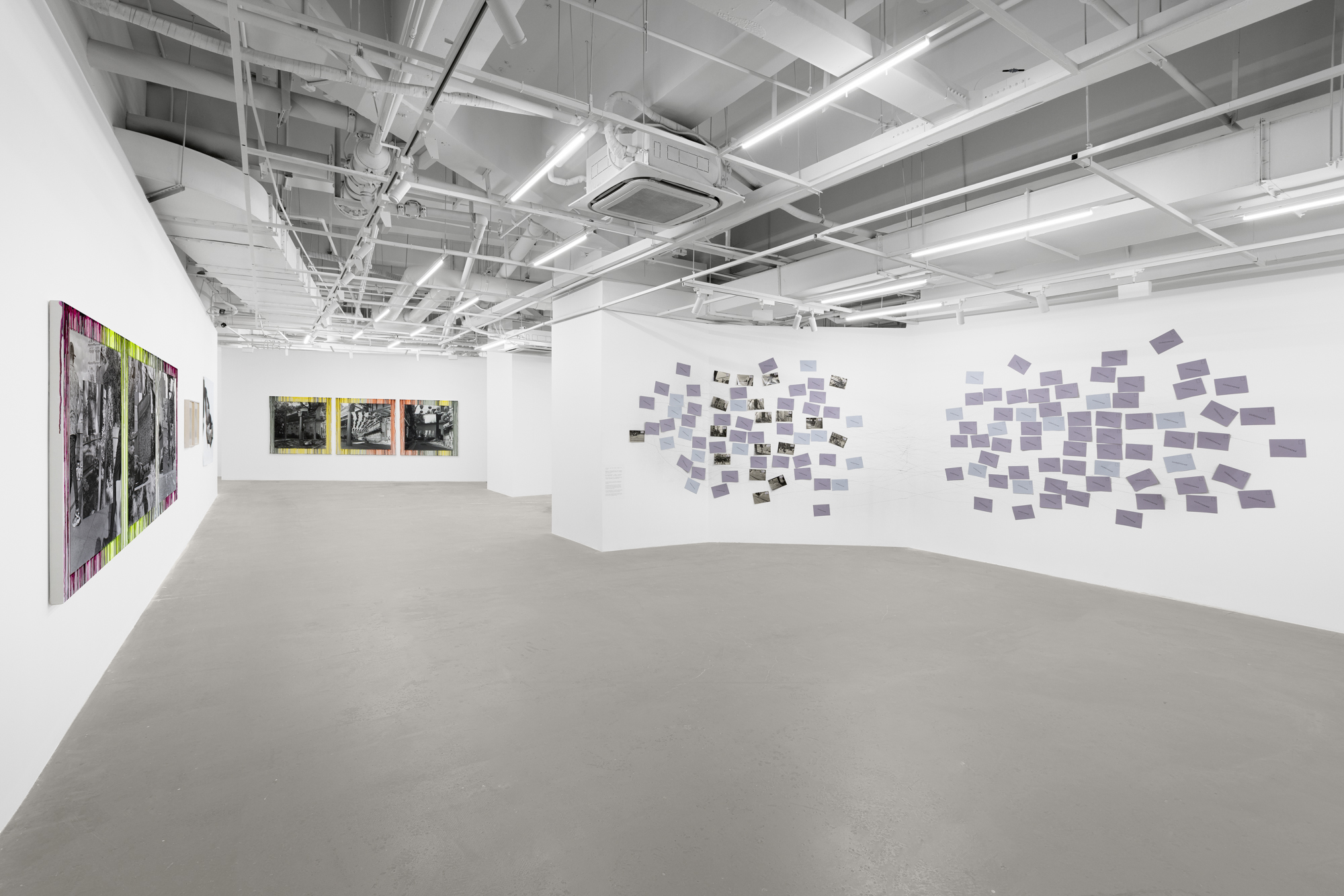
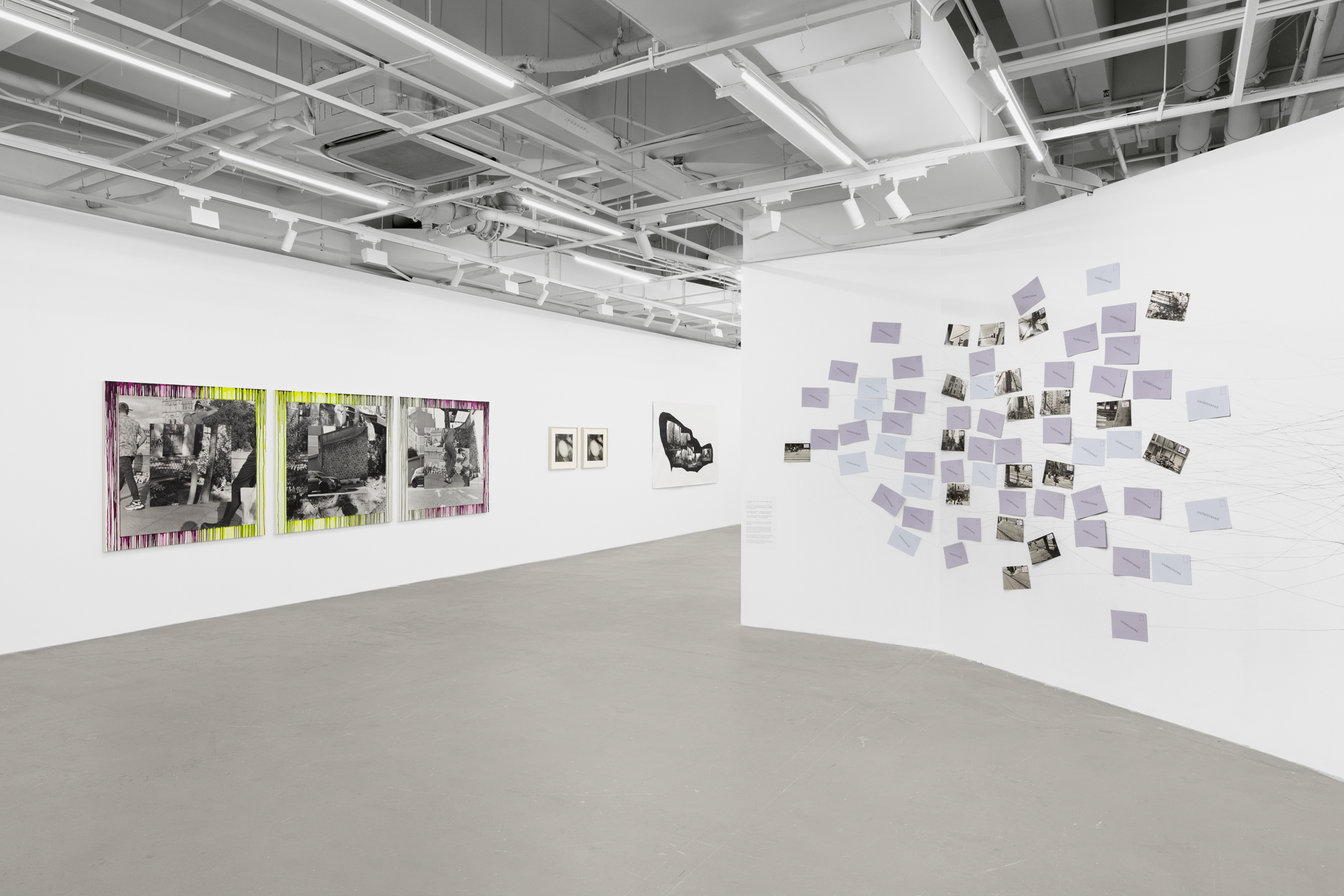
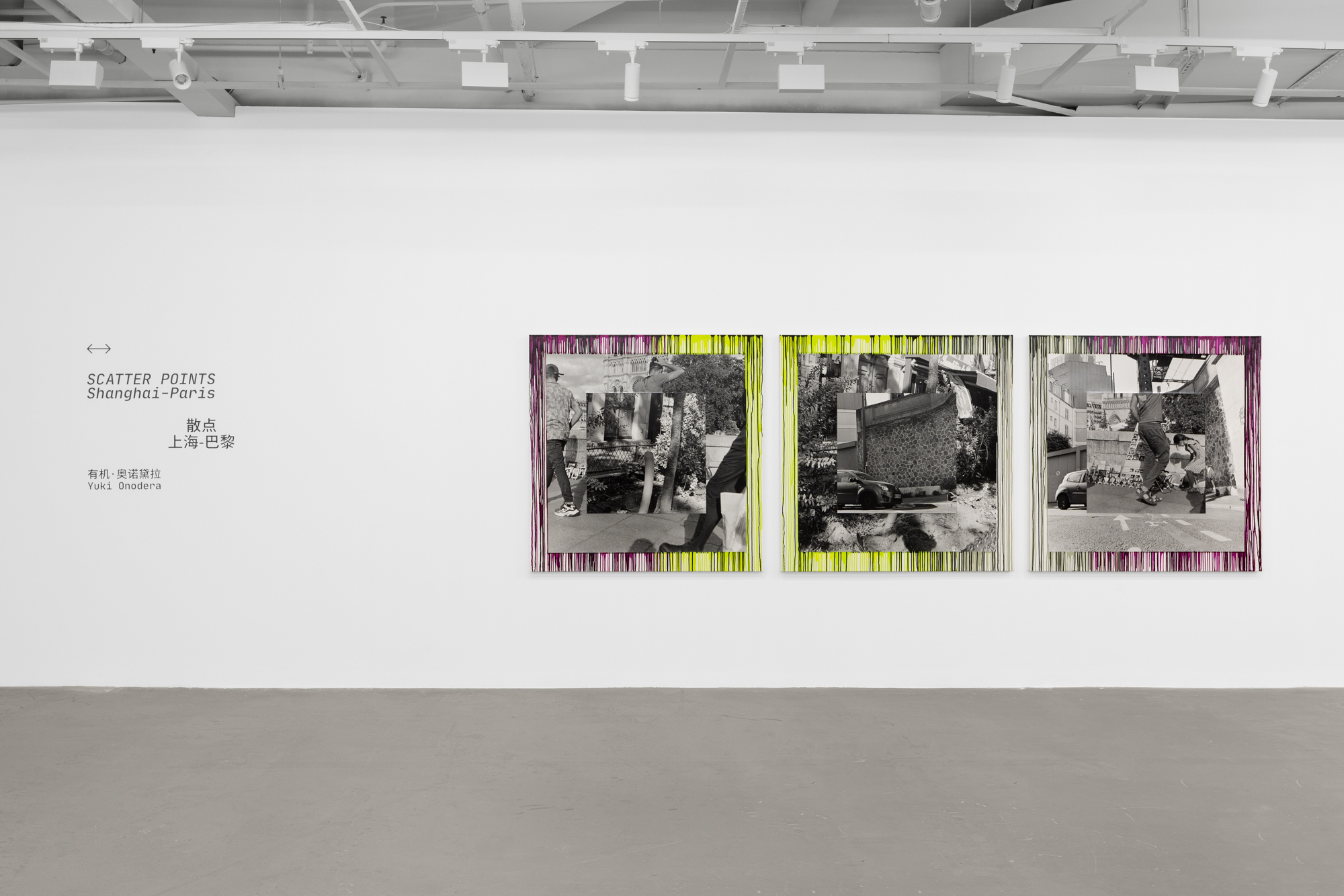
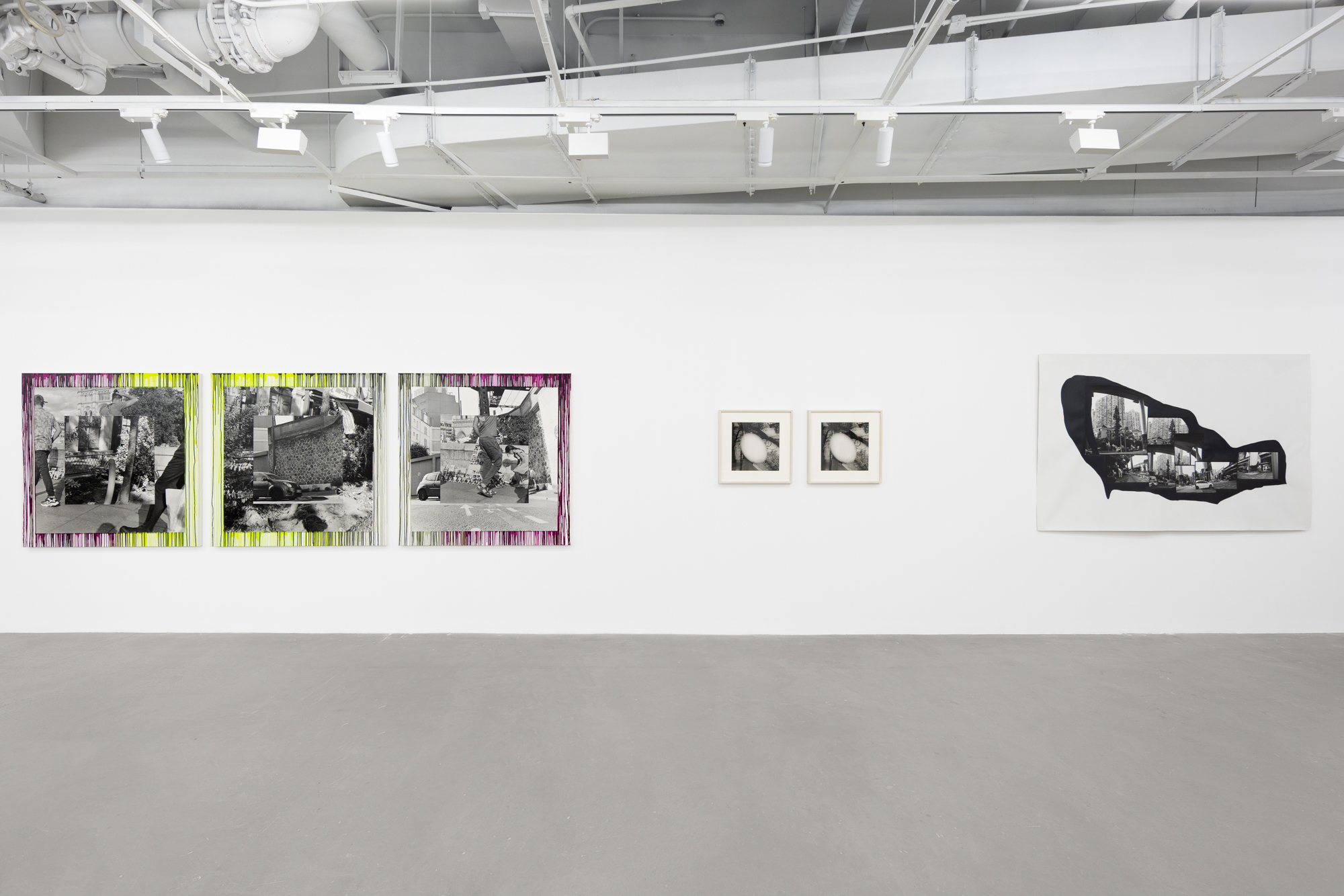
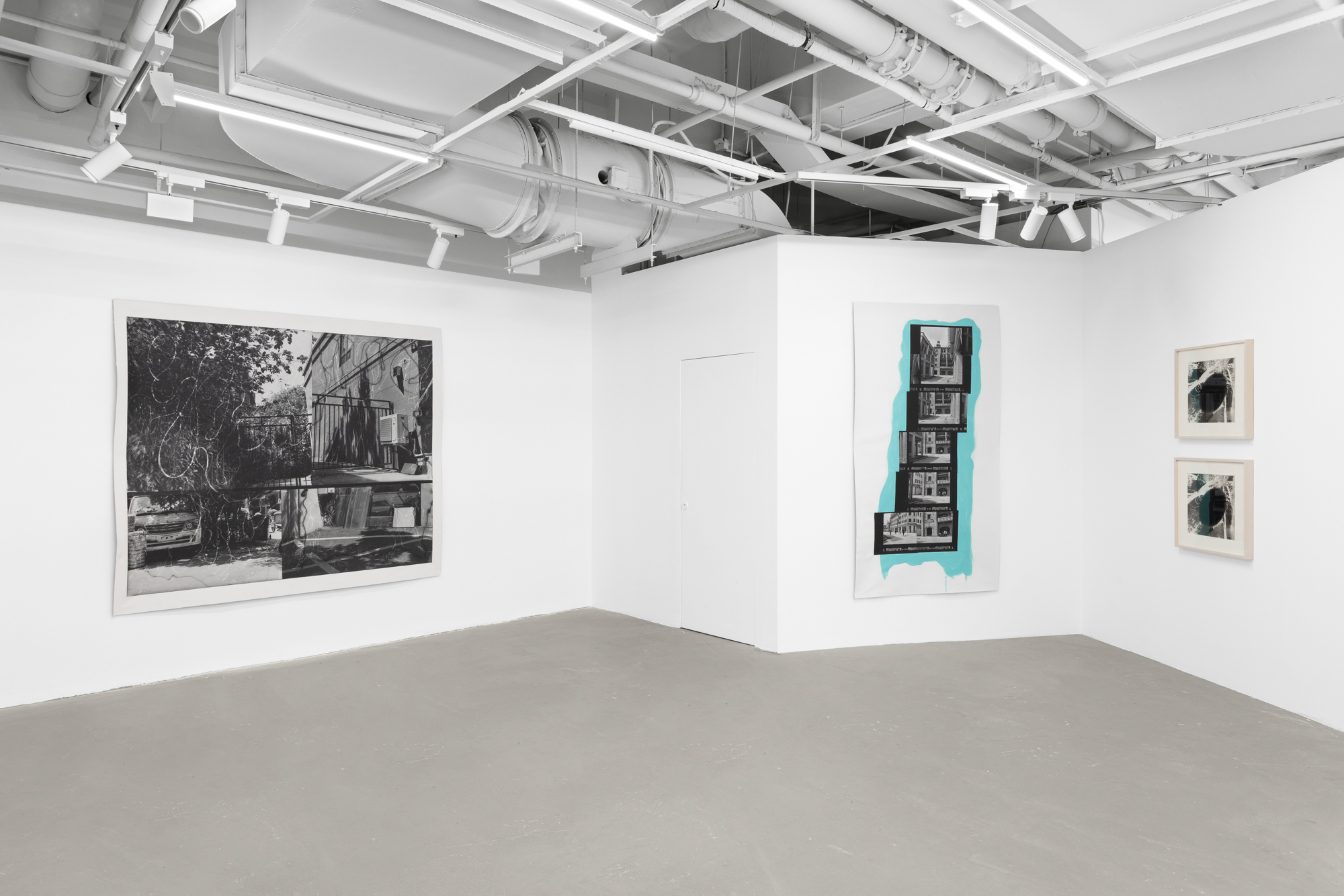
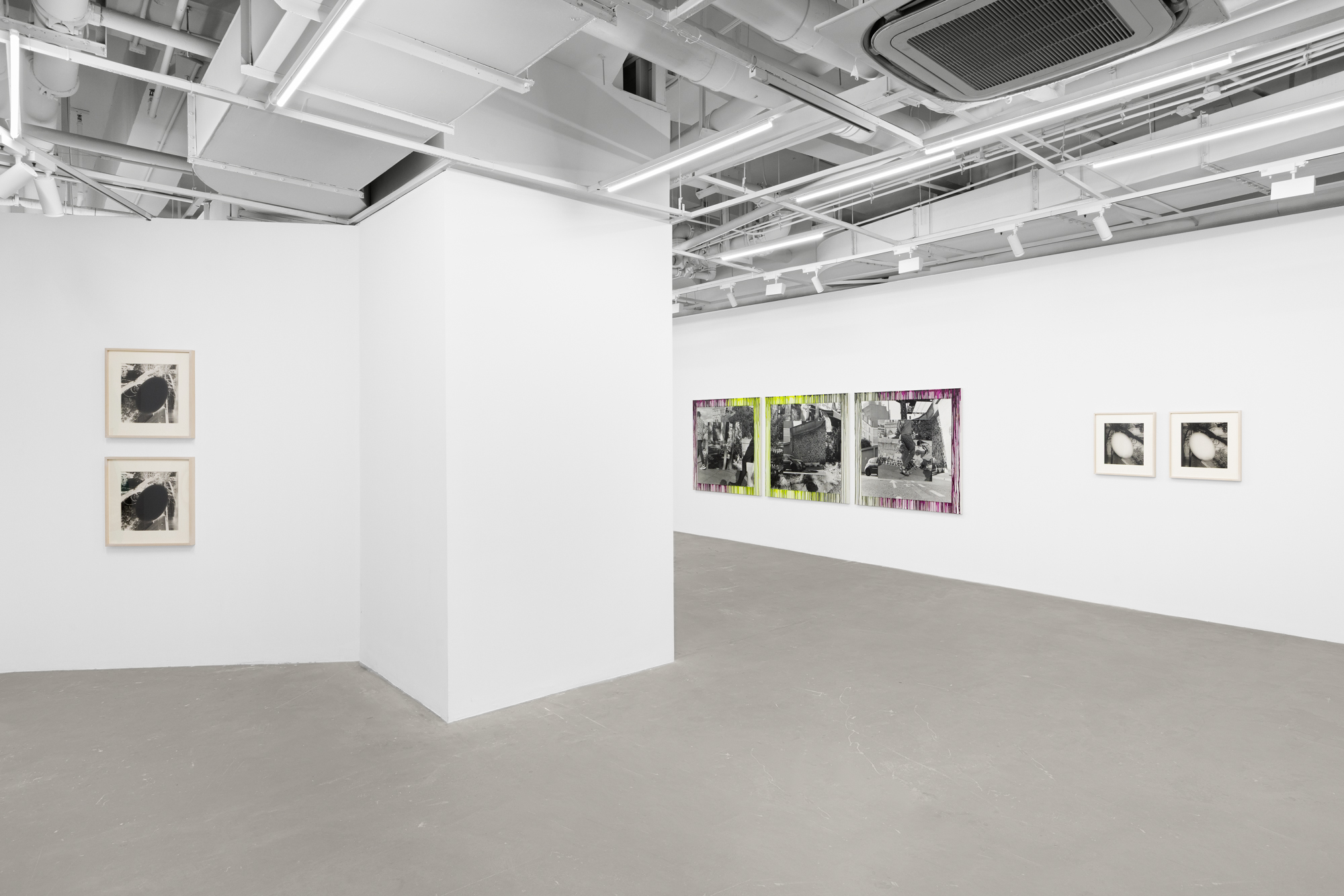
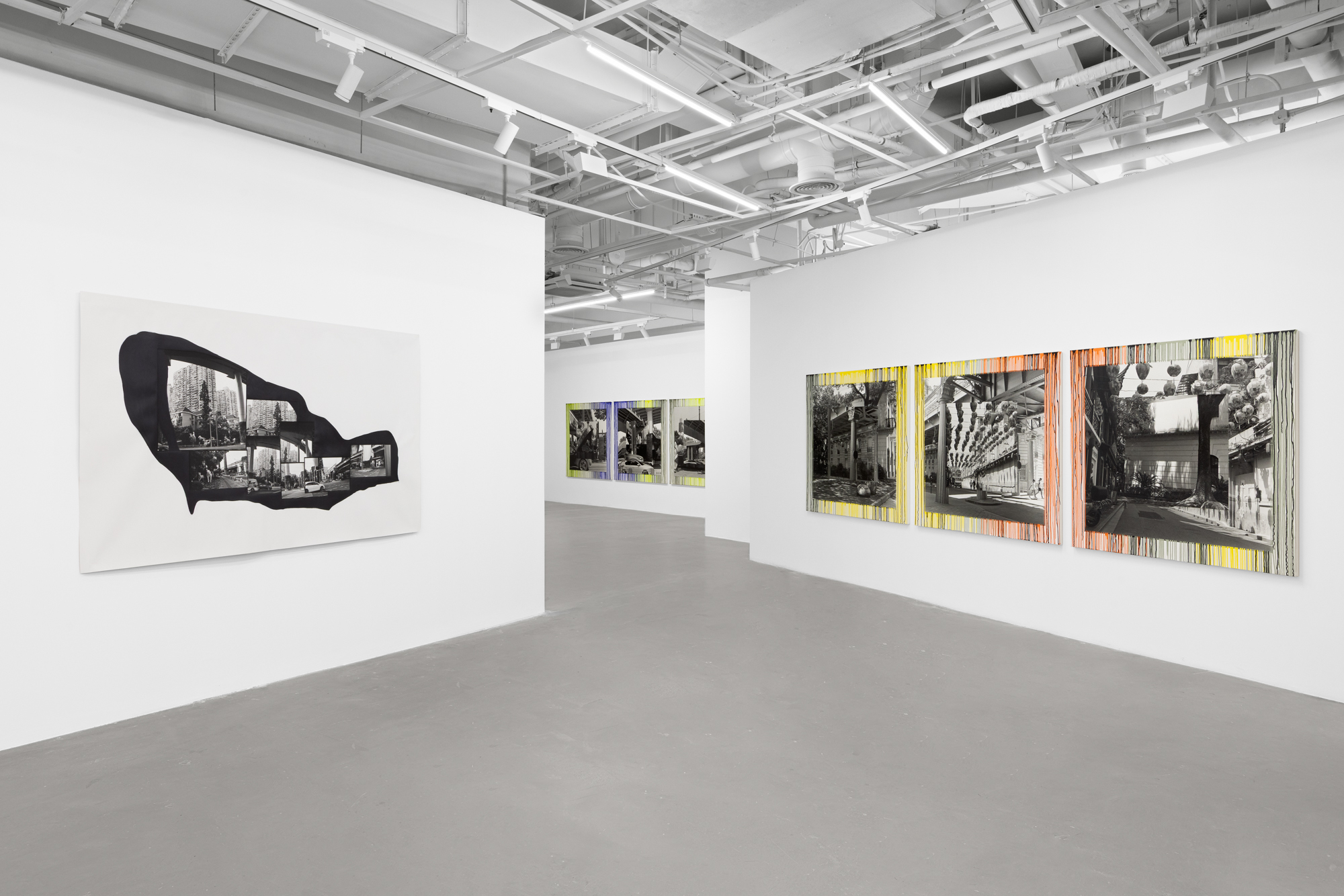
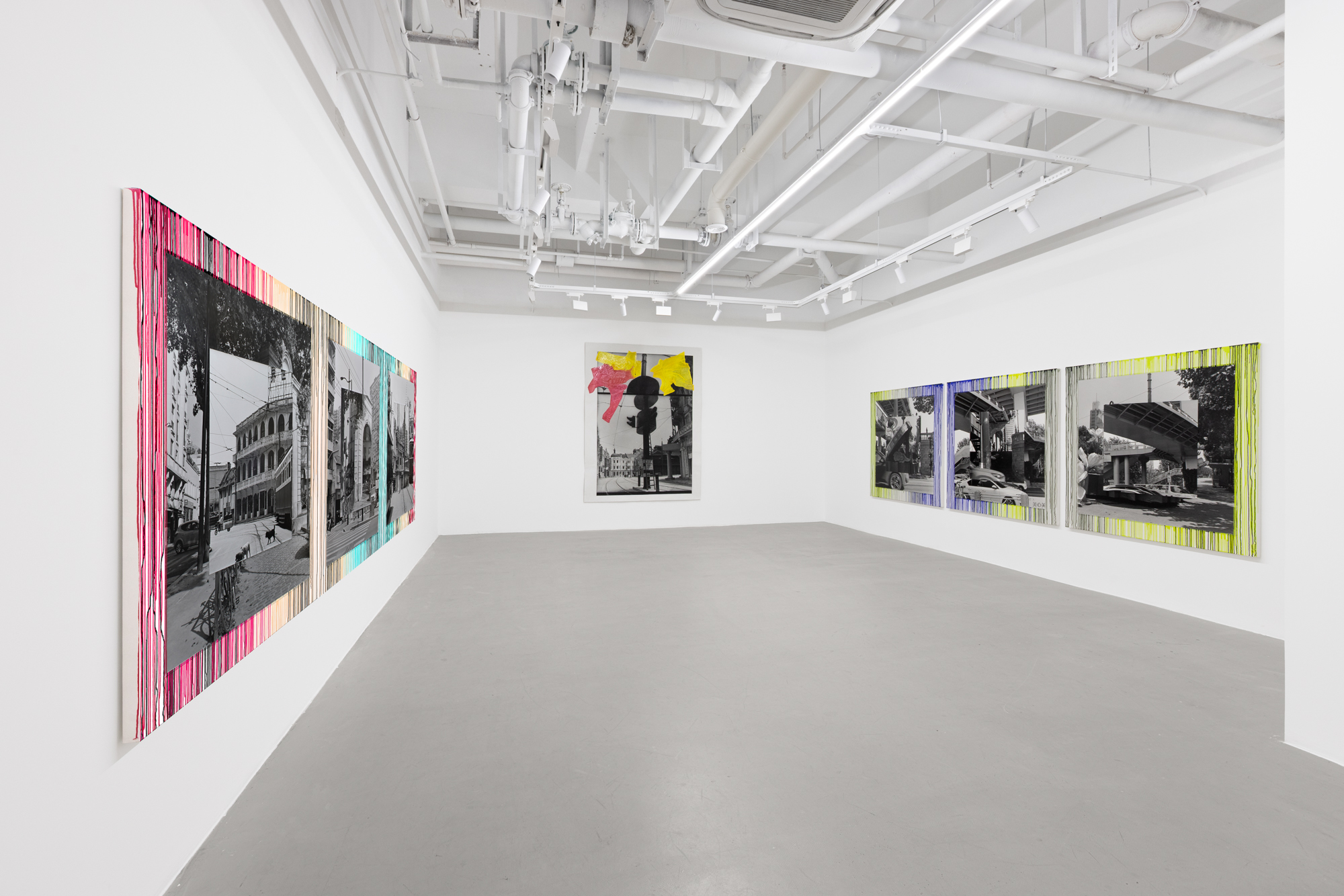
Artworks

Yuki ONODERA
Scatter Points-01
239 × 186 cm
2026

Yuki ONODERA
Scatter Points-02
188 × 209 cm
2026

Yuki ONODERA
Scatter Points-03
148 × 210 cm
2026

Yuki ONODERA
Scatter Points-04
208 × 104 cm
2026

Yuki ONODERA
Scatter Points-07
135 × 209 cm
2026

Yuki ONODERA
Scatter Points-09
101 × 78 cm
2026

Yuki ONODERA
Darkside of the Moon No.3
Triptych, 130 × 130 cm each
2026

Yuki ONODERA
Darkside of the Moon-09
Triptych, 150 × 150 cm each
2026

Yuki ONODERA
Darkside of the Moon-10
Triptych, 150 × 150 cm each
2026

Yuki ONODERA
Darkside of the Moon-11
Triptych, 140 × 140 cm each
2026

Yuki ONODERA
Scatter Points-11
Image 37 × 36 cm, paper 50 × 40 cm
2026

Yuki ONODERA
Scatter Points-12
Image 37 × 36 cm, paper 50 × 40 cm
2026